 0
0
 0
0
Some parts of the planet feel like a vast, open stage—endless plains, quiet coastlines, empty deserts. And then there are the other places: tiny patches of land so packed with people that they seem to defy geography itself. Population density is one of the most revealing measures of how humans choose to inhabit Earth. It shows where life clusters intensely, where cultures collide in tight spaces, and where cities rise because there is simply no room left to expand outward.
Below is a feature-style exploration of the world’s most densely populated countries—how they became so crowded, what life feels like inside these compressed geographies, and why these places matter far beyond their borders.
The Paradox of Space: Tiny Lands, Massive Crowds
The world’s densest countries are not the largest or the richest. They are often small, strategically located, historically layered, and shaped by migration, trade, and urbanization. Their density tells a story of human movement—where people gather for opportunity, safety, or tradition.
Monaco — The Microstate That Became a Magnet
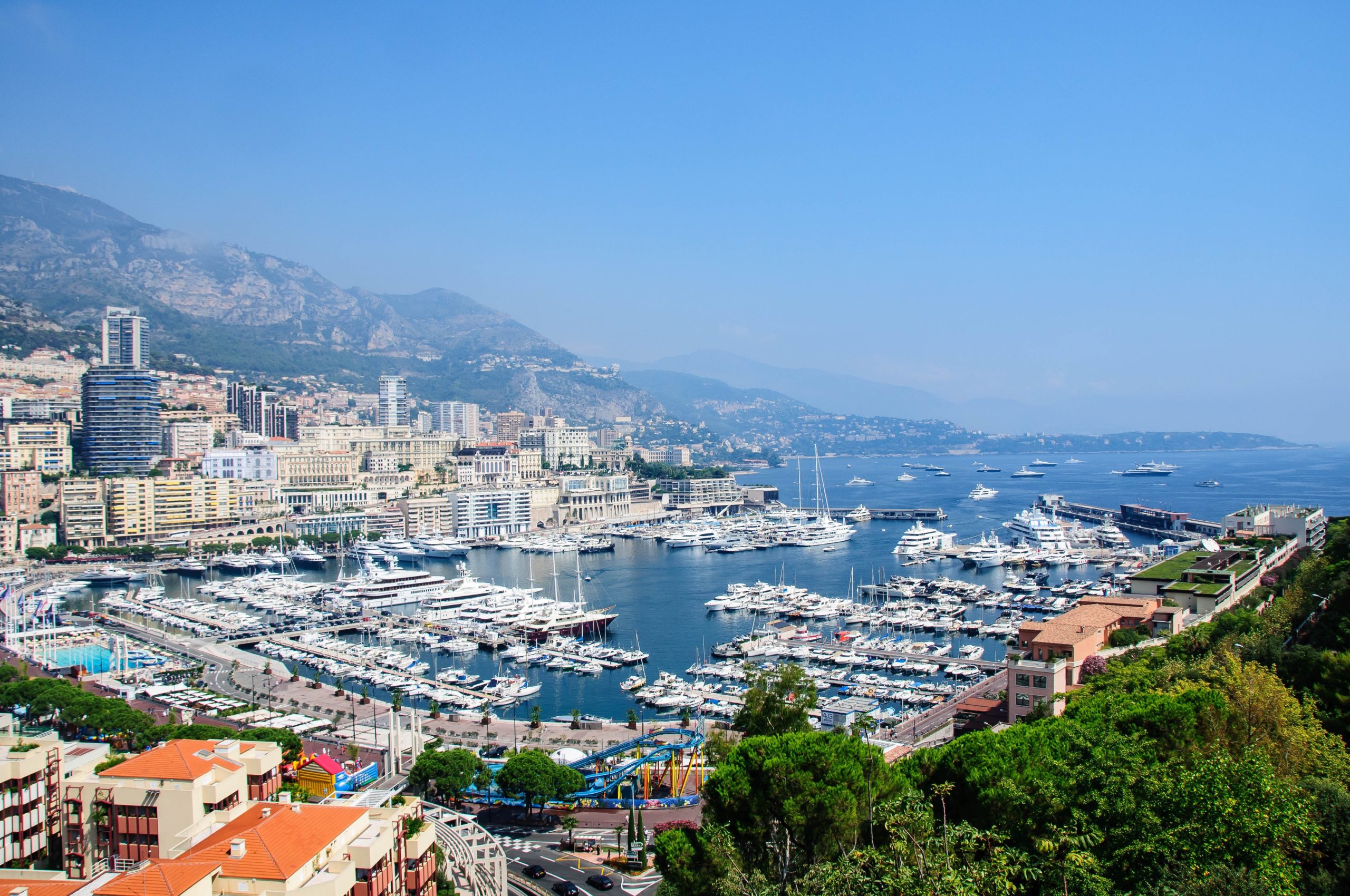
Monaco is the poster child of extreme density. With over 26,000 people per square kilometer, it is less a country and more a vertical city-state carved into a cliffside.
- Wealth, tourism, and tax incentives draw residents from around the world.
- Space is so scarce that Monaco builds into the sea—land reclamation is a national strategy.
- Life here is defined by luxury, but also by the reality that every square meter counts.
Singapore — Order in the Urban Jungle
Singapore packs more than 8,000 people per square kilometer into an island smaller than Vienna.
- Its density is the result of economic success: a global hub for finance, shipping, and innovation.
- The city-state manages crowding through meticulous urban planning—green roofs, vertical gardens, and efficient public transport.
- Density here feels intentional, almost choreographed.
Bangladesh — A Nation Built on Rivers and Resilience
Bangladesh is one of the most densely populated large countries, with over 1,200 people per square kilometer.
- Fertile river deltas historically supported dense settlements.
- Rapid urbanization, especially in Dhaka, has intensified crowding.
- Despite challenges—floods, climate pressure, limited land—Bangladesh’s density fuels a vibrant, youthful economy.
Bahrain — Islands of Opportunity
This Gulf nation has around 2,200 people per square kilometer, driven by:
- A booming service economy
- Migrant labor
- Limited land area Bahrain’s density reflects its role as a regional crossroads.
Vatican City — Symbolic Density
Technically the smallest country in the world, Vatican City’s density fluctuates dramatically due to tourism and clergy.
- On paper, it has a small resident population.
- In reality, millions pass through its 0.44 square kilometers each year. It is a reminder that density is not just about residents—it’s about human presence.
What Density Feels Like
High-density countries share certain traits:
- Vertical living — skyscrapers, high-rise apartments, rooftop gardens
- Intense public life — markets, transit hubs, waterfront promenades
- Cultural fusion — migration brings languages, cuisines, and traditions together
- Pressure on infrastructure — water, transport, housing, and green space become strategic priorities
Yet density also creates vibrancy. These places pulse with energy, creativity, and economic dynamism.
Why These Countries Matter
Dense countries often act as global nodes—financial centers, cultural capitals, migration hubs. Their ability to thrive despite limited space offers lessons for a world facing urbanization, climate change, and population shifts.
They show that small can be powerful. Crowded can be efficient. And density, when managed well, can become a catalyst for innovation rather than a burden.
- HectorPascua/picture:



This post has already been read 9920 times!